Choosing between wearable silver and bars of metal is a common dilemma. Many first-time buyers begin by searching for Silver Rate Today in Delhi, only to realise that the quoted figure applies to raw metal and not to finished ornaments. The difference between the two forms is significant. Shoppers who compare the Silver Rate in Hyderabad with the price tag on an ornament often wonder where the extra amount comes from. This article walks through the differences so that you can match the product to your purpose.
Table of Contents
The Case for Silver Jewellery
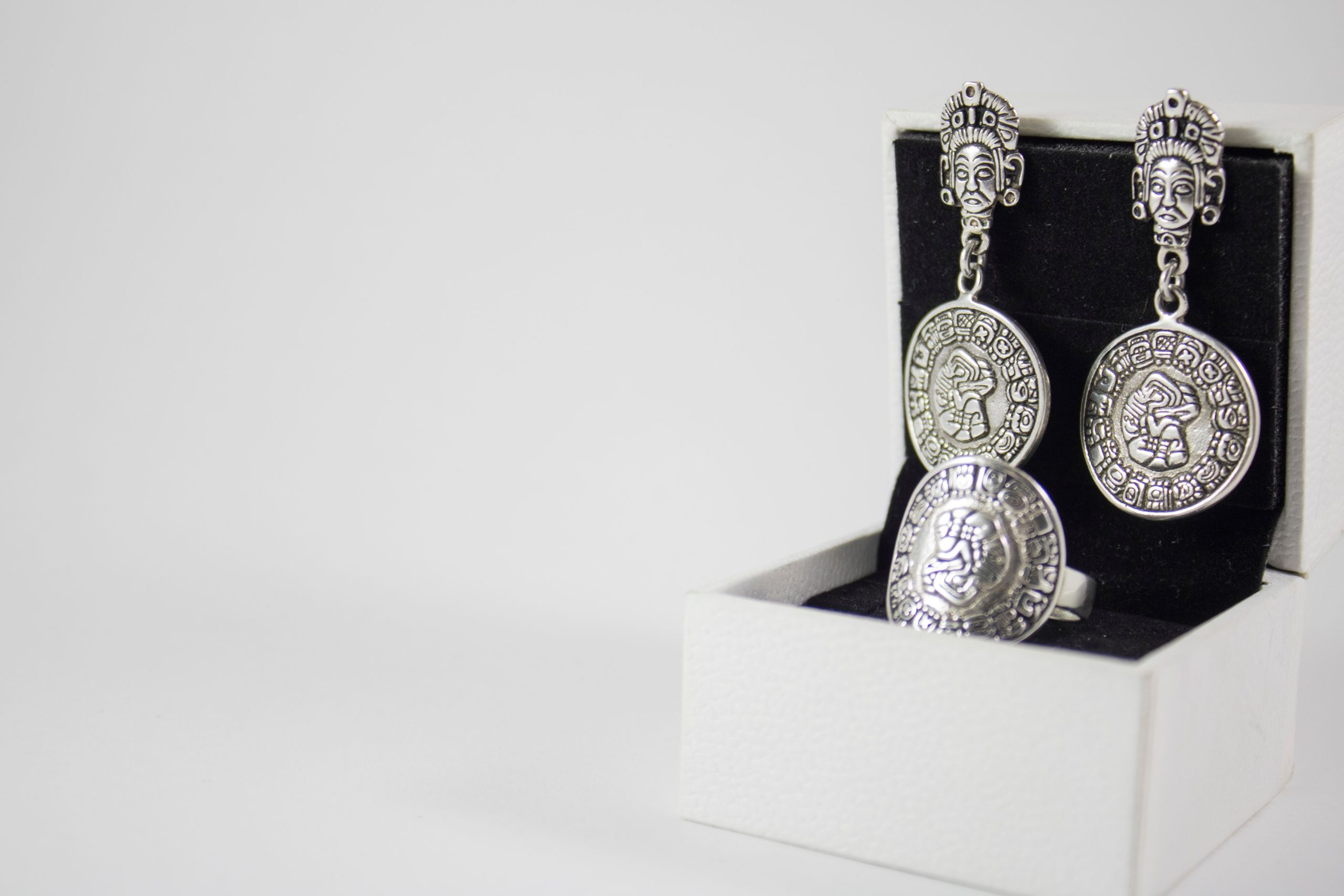
Jewellery brings pleasure, individuality and tribal value. Anklets, bracelets, chains, rings and toe rings adorn the common Indian woman every day, and men too are starting to buy silver bracelets and chains. The joy of wearing something you love is a feeling bars cannot replicate.
The drawback in jewellery is the cost structure, as jewellery has making charges embedded in it, sometimes at a premium, and wastage at times. On resale, the jeweller values it mainly on its metal content, and you lose a big chunk on making charges. Jewellery is something you wear and is a wonderful use of your savings but not a good investment.
The Case for Silver Bars
The bar is simple. It is weighed and the value is determined based on the purity. The premium over the metal value is much lower for a one kg bar from a reputed refiner as compared to an ornamental piece of the same weight.
Further, bars are easy to value and trade. A dealer can instantly quote you a buyback rate as there are no designs to value. The drawback is obviously the lack of daily joy that a bar brings. It serves merely as a store of value and sits in a locker till you need it.
Comparing Costs and Liquidity
Take the example of a decorative piece and a bar of similar weight. You will almost always find that the bar costs lower, as most decorative pieces have high making charges embedded in it. Now, if you were to sell the two after a few years, again the bar will give you a higher percentage of the amount you paid for it.
Liquidity is another factor. Bars from a recognised refiner have universal acceptance, whereas a jewellery piece from an unknown workshop may not get you a fair price. If you were to sell within a 3 year time frame, bars and coins would be a better option. If you were to hold on to it and wear it, then jewellery is the obvious answer.
Storage, Safety and Insurance
Jewellery is worn and bars are stored. It is better to store bars in a bank locker or a home safe. Though a safe can be expensive, it is wise to keep your silver in a safe place, especially if you have a sizeable quantity.
Check your household insurance policy; most policies give a specific value for jewellery and household items for silver and gold. Keep track of the invoices and photographs taken at the time of purchase and the claims process becomes simple.
A Blended Approach
Many families adopt a blended approach and keep aside a corpus in bars or coins as a store of value and invest the rest in gold jewellery as a measure of celebration.
Start off with a small allocation to silver bars/coins and the rest can be in gold jewellery that you are going to wear. Revisit the allocation each year depending on your needs, and the festive calendar that you follow.
Making the Final Choice
Here are three questions to ask yourself. Do you want to wear it or hold on to it? For how long are you going to hold on to it? How liquid does the investment need to be? If you desire to wear it, go for making charges in jewellery that are reasonable and from a trusted jeweller. Choose between bars and coins based on your need for a larger corpus to be held for a long time.
Neither of the two options discussed are better than the other. Making the choice is a personal decision and can be dependent on your comfort level and need. Choose wisely and silver will reward you in both cases.